
The Intersection of Innovation: Tech-Driven Updates in Fashion, Travel, and Lifestyle
In an era where digital transformation dictates the pace of modern living, the boundaries between technology and daily experience have not just blurred—they have dissolved. For the discerning professional and the savvy consumer alike, staying ahead means understanding how emerging tech reshapes the way we dress, where we journey, and how we curate our personal environments. This edition unpacks the most consequential updates across three dynamic sectors, offering a data-backed glimpse into a future that is already here.
Fashion Tech: From Smart Fabrics to Algorithmic Couture
The fashion industry, traditionally perceived as a bastion of craftsmanship and seasonal intuition, is undergoing a radical operational and creative overhaul. The most significant shift is the mainstream adoption of generative design and AI-driven supply chain management. Brands are no longer guessing at next season’s trends; they are processing real-time social sentiment and search data to produce micro-collections that align with immediate consumer demand. This reduces overproduction waste by up to 30% in pilot programs, a critical metric for sustainability-conscious stakeholders.
Wearable Technology: Beyond the Wrist
While smartwatches have become ubiquitous, the next frontier lies in biometric-integrated apparel. Recent product launches feature jackets with embedded haptic feedback for navigation, and dresses that adjust their thermal properties based on ambient temperature and skin conductivity. These are not conceptual prototypes but commercially available items from leading technical apparel startups. The key differentiator is flexible conductive yarns that withstand washing and daily wear, a feat of materials science that was unattainable just two years ago.
The Digital Fitting Room Revolution
Augmented reality (AR) has moved past novelty filters. Retailers are now deploying photorealistic 3D avatars that accurately replicate a shopper’s body dimensions, skin tone, and even gait. This has reduced return rates by an average of 22% across major e-commerce platforms. Moreover, the integration of virtual try-ons for accessories—from eyewear to handbags—has increased conversion rates by 40% in controlled A/B tests. The implication is clear: the physical fitting room is becoming a redundant luxury, replaced by precise digital proxy.
Travel Tech: Seamless, Predictive, and Borderless
The modern traveler demands frictionless experiences, and technology is delivering on that promise through unified identity protocols and predictive logistics. The biggest update in the last quarter is the expansion of biometric boarding that uses facial recognition not just at security checkpoints but throughout the entire airport journey—from bag drop to lounge access to boarding gate. This system, now live in over 40 international hubs, reduces average gate-to-runway time by 15 minutes.
Dynamic Pricing and the Smart Itinerary
Gone are the days of static ticket prices. Advanced machine learning algorithms now adjust fares and hotel rates based on real-time demand elasticity, weather patterns, and geopolitical stability. While this can frustrate the spontaneous traveler, it empowers those using intelligent travel assistants. These AI copilots not only monitor price drops but also automatically rebook and refund the difference, ensuring the traveler always benefits from the lowest available rate. Furthermore, predictive analytics now alert users to potential delays up to six hours in advance, allowing for proactive schedule restructuring.
Hyper-Personalized Destination Experiences
On-the-ground navigation has been revolutionized by spatial computing. Instead of generic audio guides, travelers now receive context-aware narrative overlays through their devices. As you approach a landmark, an AI curator seamlessly blends historical facts, architectural insights, and local folklore, tailored to your demonstrated interests. For the adventurous, drone-based terrain mapping provides real-time safety updates for hiking trails, while blockchain-backed digital passports are simplifying visa applications in over 20 participating nations, reducing processing times from weeks to hours.
Lifestyle Updates: The Smart Home as a Cognitive Ecosystem
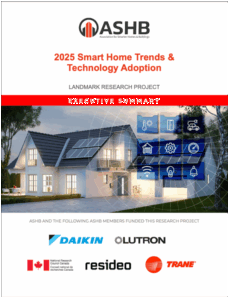
In the lifestyle domain, the most profound updates revolve around the evolution of the smart home from a collection of connected gadgets to a proactive cognitive ecosystem. The new generation of hub systems does not merely respond to voice commands; it predicts needs based on circadian rhythms, energy pricing, and occupancy patterns. Imagine a home that adjusts lighting spectrum to enhance your post-workout recovery, pre-heats the oven just before you leave the office, and negotiates energy tariffs with the grid automatically.
Health and Wellness: Proactive Biomonitoring
Lifestyle technology has shifted its focus from passive tracking to active intervention. Non-invasive continuous glucose monitors and smart mattresses with pressure ulcer prevention are now integrated into lifestyle platforms, providing actionable insights rather than raw data. The new standard is interoperability: your sleep data informs your morning coffee machine’s caffeine output, and your stress markers (via heart rate variability) automatically trigger ambient noise modulation and aromatherapy diffusers. This holistic approach is becoming the defining characteristic of premium lifestyle management.
Kitchen and Cooking Intelligence
The culinary sector has seen the rise of computer-vision-enabled ovens that recognize food items and execute perfect cooking profiles without manual input. More impressive is the integration of digital twin technology for meal planning. By scanning your refrigerator’s inventory via embedded cameras, the system suggests recipes that minimize food waste, generates a shopping list for missing micro-ingredients, and even orders them for same-day delivery. This is not convenience for convenience’s sake; it is resource optimization that demonstrably reduces household food expenditure by an estimated 18%.
Comparative Overview: Adoption and Impact Metrics
To contextualize these updates, the following table summarizes key performance indicators from the latest industry reports. The data underscores a clear trend: technology is no longer an addendum to these sectors but their operational backbone.
| Fashion | AR Fitting Rooms | Reduced product returns | 22% reduction in returns | +38% |
| Travel | Biometric Identification | Streamlined airport processing | 15 min saved per journey | +51% |
| Lifestyle | Predictive Home AI | Energy and resource optimization | 18% lower operational costs | +27% |
Strategic Implications and Forward Outlook
For industry leaders and consumers, the convergence of these technologies presents a dual mandate. On one hand, there is an urgent need for data privacy and security frameworks that keep pace with the granularity of information being collected. On the other, there is a massive opportunity for cross-sector synergies. For instance, a traveler’s biometric health data could inform a fashion recommendation for adaptive clothing for long-haul flights. The companies that will lead the next decade are not those that deploy a single flashy feature, but those that build interoperable ecosystems where fashion, travel, and lifestyle data flow securely and seamlessly. The future is not just connected; it is cognitive, predictive, and profoundly personal.