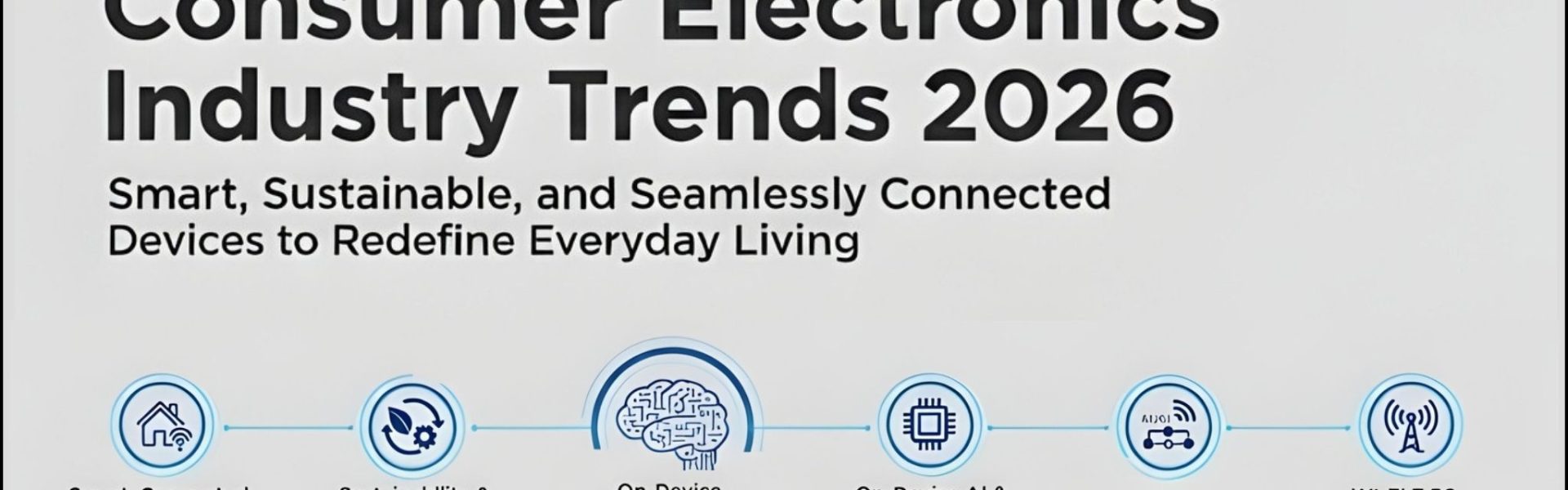
The Tech-Infused Pulse of Modern Living: How Smart Integration is Redefining Everyday Trends
In the relentless churn of modern life, technology is no longer a separate sphere we visit through our devices; it has become the ambient atmosphere of our daily existence. The latest lifestyle news is no longer about the next smartphone release alone—it is about how that smartphone orchestrates our morning coffee, our commute, and our evening wind-down. As we navigate this new era, the fusion of convenience, data, and design is rewriting the very scripts of our routines. This article explores the key trends where cutting-edge tech meets the texture of everyday life, offering a professional lens on what is shaping the way we live, work, and recharge.
The Rise of the “Ambient Home” Ecosystem
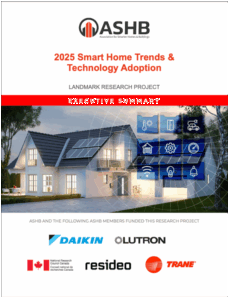
Gone are the days of isolated smart devices. The contemporary smart home has evolved from a collection of gadgets into a cohesive, predictive ecosystem. The trend is no longer about turning off lights with a voice command, but about the home anticipating your needs before you articulate them. Seamless integration across lighting, climate, audio, and security creates an invisible layer of intelligence that adapts to your circadian rhythms and behavioral patterns.
Consider the morning routine: your smart blinds gradually open to simulate dawn, the thermostat adjusts to your preferred wake-up temperature, and your espresso machine begins heating based on your calendar’s first appointment. By late evening, the system dims ambient lighting to a warmer spectrum, signaling your body to produce melatonin. This is not automation for its own sake; it is a fundamental shift toward proactive wellness management. The key differentiator in 2025 is interoperability—platforms that unify Zigbee, Thread, and Matter protocols, ensuring that your devices speak a common language and act as a single, responsive organism.
Key Drivers of the Ecosystem Shift
- Matter Protocol Adoption: A unified standard that eliminates fragmentation, allowing for cross-brand synchronization.
- Edge Computing: Local processing reduces latency and enhances privacy, enabling real-time responses without cloud dependency.
- Energy Intelligence: Systems that autonomously optimize power consumption based on real-time utility pricing and grid demand.
Wearables Move from Metrics to Intervention
The next leap in wearable technology is shifting from passive tracking to active, clinical-grade intervention. The latest lifestyle news highlights a departure from step counts and heart rate zones toward continuous metabolic and biomarker monitoring. Advanced sensors now measure hydration levels, blood glucose trends, and even cortisol spikes, providing a granular, real-time view of physiological stress.
What makes this trend truly disruptive is the shift in user agency. Instead of simply reporting that you had a poor night of sleep, your wearable now provides actionable micro-interventions. It might suggest a 10-minute breathing protocol when it detects rising sympathetic nervous system activity, or prompt you to hydrate with specific electrolytes before a subtle performance dip. This data-informed coaching transforms the wearable from a passive mirror into an active health partner. For the professional class, this means managing fatigue and cognitive load with the same rigor applied to project timelines.
The Deliberate Digital Detox: Tech That Encourages Disconnection
In a paradoxical twist, one of the most significant technology trends is the rise of “digital minimalism” tools. Consumers are increasingly seeking software and hardware solutions designed to reduce screen time and cognitive overload. This is not a rejection of technology, but a sophisticated curation of it. The new wave of focus apps and distraction-free devices uses machine learning to identify your peak concentration windows and automatically silences non-critical notifications during those periods.
Moreover, “dumb phones” and specialized e-ink tablets are experiencing a renaissance, not as Luddite relics, but as deliberate lifestyle accessories. They offer the essential utilities—communication, reading, note-taking—without the addictive feed loop. This movement is particularly strong among knowledge workers who recognize that attention is their most valuable asset. The trend is about creating friction where friction is beneficial, and removing it where it is harmful.
Hyper-Personalized Nutrition and the AI Pantry
Everyday trends in food technology are moving beyond generic diet apps. The integration of AI with at-home appliances is creating a “smart pantry” that manages inventory, suggests recipes based on biochemical data from your wearables, and even adjusts macronutrient profiles based on your daily activity levels. Smart fridges now feature internal cameras and computer vision that track expirations, while AI-enabled meal planners cross-reference your sleep quality and exercise load to optimize the next day’s menu.
This is the age of precision nourishment. The data loop is closed: your wearable detects a deficiency or a training load, the pantry’s AI recommends a meal, and a connected oven or pressure cooker executes a recipe with precise temperature and humidity profiles. This removes decision fatigue and reduces food waste, aligning with both wellness goals and sustainability imperatives. For the busy professional, this represents a quiet yet profound upgrade to daily sustenance—one that treats food as an input to performance rather than a mere ritual.
Urban Mobility and the Micro-Commute
The latest lifestyle news in transportation emphasizes the decline of the daily long commute and the rise of the “15-minute city” micro-mobility. E-bikes, electric scooters, and even compact electric “micro-cars” are being integrated with urban transit apps to create seamless, multi-modal journeys. The trend is not just about the vehicle, but about the intelligent routing software that combines weather data, real-time bike availability, public transit schedules, and even air quality indices to suggest the optimal—not just fastest—route.
These vehicles are also becoming smarter. Predictive maintenance systems alert riders to tire pressure issues or battery degradation before they become problems. Geofencing technology automatically reduces speed in high-pedestrian zones and can lock the vehicle if it is taken outside a designated service area. This level of integrated control makes electric micro-mobility a reliable, safe, and genuinely viable alternative to the automobile for a significant portion of daily travel.
The Future of Workspace: Adaptive and Biomechanical
The home office is being redesigned with a focus on biomechanics and dynamic ergonomics. Static desks and chairs are being replaced by adaptive furniture systems that automatically adjust height, tilt, and lumbar support based on your posture and continuous pressure mapping. These systems are embedded with sensors that detect micro-movements and alert you to static strain before discomfort sets in.
| Static sitting posture | Dynamic micro-adjustments every 20 minutes |
| Manual lighting control | Circadian lighting synchronized to local solar data |
| External focus timers | Biofeedback-driven focus windows based on heart rate variability |
| Annoying cable management | Wireless power surfaces and magnetic data pathways |
This evolution is driven by a clear understanding: physical comfort is a direct contributor to cognitive output. By removing micro-frictions in the physical environment, professionals can maintain deeper flow states. The workspace is no longer a place separate from health; it is an extension of it.
Conclusion: The New Normal is Invisible Intelligence
As we observe these everyday trends, a clear pattern emerges: the most successful technologies are those that recede into the background, becoming intuitive extensions of our intentions. The future of lifestyle technology is not about louder notifications or more screens, but about quieter, more intelligent systems that respect our time, attention, and biology. The professionals who thrive will be those who curate their digital and physical ecosystems as deliberately as they manage their careers. The smart home, the proactive wearable, the adaptive workspace—these are not luxury items, but rather the new infrastructure for a balanced, high-performance life. The ultimate luxury in 2025 is not having more technology, but having technology that knows when to be silent.