The Algorithmic A-List: How Tech Is Rewriting Entertainment & Pop Culture
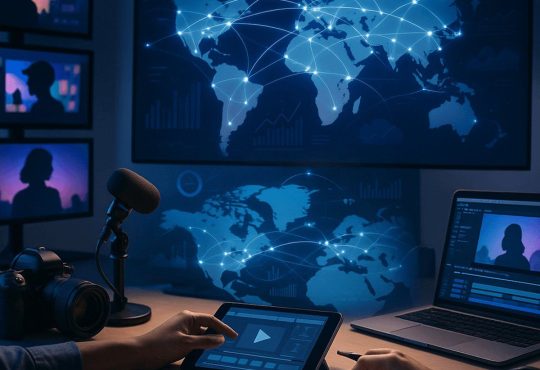
The intersection of silicon and cinema has never been more pronounced. In 2025, the entertainment landscape is no longer shaped solely by studio executives in corner offices or A&R reps in smoky lounges. Instead, it is being orchestrated by recommendation algorithms, generative AI models, and the decentralized whims of creator economies. The result is a pop culture that moves at the speed of a server refresh, where global trends are born in niche Discord servers and explode on TikTok within hours.
For brands, creators, and consumers, understanding this new paradigm isn’t just about keeping up with what’s trending; it’s about decoding the very infrastructure that dictates cultural relevance. This article dissects the three primary technological forces currently rewriting the rules of entertainment and pop culture.
1. The Rise of Generative AI in Mainstream Production
Gone are the days when artificial intelligence in entertainment was relegated to background VFX or predictive text for screenplays. The current wave is transformative, touching every stage of the content lifecycle from pre-visualization to distribution. Generative AI tools are now being used by independent filmmakers to create entire short films, by music producers to isolate vocals and remix tracks in real-time, and by marketing teams to generate personalized trailers for individual viewers.
This shift is not without its friction. The 2025 Writers Guild and SAG-AFTRA negotiations set a precedent, but the technical reality is moving faster than legal frameworks. We are witnessing a bifurcation: hyper-produced studio blockbusters that use AI to lower costs on massive scales, and hyper-authentic indie productions that use AI to punch above their weight class. The critical distinction is no longer whether AI is used, but how it is deployed to augment human creativity versus replace it.
Key Trends in AI-Driven Content
- Procedural Narrative Engines: Streaming platforms are experimenting with dynamic storylines that change based on viewer engagement metrics, effectively creating a new genre of “adaptive cinema.”
- Synthetic Voice Licensing: Major labels are signing deals to license the AI voices of deceased artists, creating posthumous “collabs” that are indistinguishable from studio recordings.
- Real-Time Dubbing: AI lip-sync and voice cloning have eliminated the “foreign film” barrier, allowing a Korean drama to premiere in English with perfectly synced mouth movements, collapsing global release windows.
2. The Creator Economy 2.0: From Virality to Infrastructure
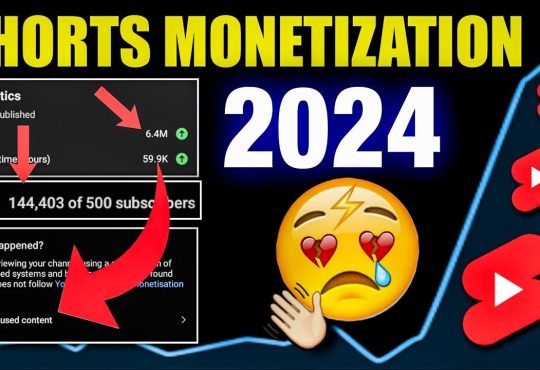
Pop culture is no longer a spectator sport; it is a participatory simulation. The “creator” has evolved from a hobbyist with a ring light to a full-stack media mogul operating within a complex technological ecosystem. This year, we see a massive shift toward niche verticality—creators abandoning broad appeal for hyper-specific, algorithmically optimized subcultures (e.g., “cottagecore tech reviews” or “historical costuming ASMR”).
The tech driving this is multifaceted. Decentralized social protocols are allowing creators to own their audience data, moving away from platform-based rent-seeking. Furthermore, AI-driven analytics tools now provide real-time feedback on audience retention curves, allowing creators to edit their content with surgical precision to maximize emotional impact. This data-driven creativity is producing a new form of pop culture that is highly resonant but also highly fragmented.
The result is that a “celebrity” today might have 10 million followers across three platforms yet be completely unknown to the general public. This shifts the power dynamic of cultural influence significantly.
The New Metrics of Influence
| Reach | Broadcast (Millions of passive viewers) | Niche Networks (Thousands of active superfans) |
| Engagement | Ratings & Box Office | Retention %, Deep Links, Community Tokens |
| Monetization | Advertisers & Subscriptions | Micro-transactions, Fan DAOs, Direct Pay-per-view |
3. The Gamification of Fandoms: Interactive Storytelling
The passive viewing experience is becoming a relic. The most potent pop culture stories of the year are not just watched; they are played, modded, and lived within persistent digital worlds. Game engines like Unreal Engine 5 and Unity are now the primary VFX tools for Hollywood, but more importantly, they are the connective tissue for fandoms.
We are seeing the rise of “cross-media persistence”—a narrative that starts in a blockbuster film, continues in a AAA video game, and is expanded upon by fans in Roblox or Fortnite Creative. This is not a marketing tie-in; it is a single, unified digital economy of narrative. Tech companies are enabling this through cloud streaming and cross-platform account systems that persist your inventory, cosmetic items, and narrative choices across every medium.
This has profound implications for pop culture. The “canon” is no longer a sacred text written by a showrunner. It is a collaborative, living document that evolves based on community workshops and player statistics. Studios are now hiring community narrative managers—data scientists who analyze which quest lines players choose to abandon and which they grind for hours—to help write the next season.
Conclusion: The New Cultural Zeitgeist
As we move deeper into this decade, the boundary between “tech” and “entertainment” has effectively dissolved. The pop culture that defines our era is not simply wrapped in technology; it is structurally dependent on it. The algorithmic curation of our feeds dictates what we find funny, the generative tools dictate what we see on screen, and the blockchain ledgers dictate who owns the IP we love.
For professionals in the space, the imperative is clear: fluency in data analytics is as important as narrative instinct. The most successful storytellers of tomorrow will be those who can interpret streaming telemetry as poetry, who can read a churn chart like a screenplay, and who understand that a pop culture moment is no longer a signal—it is a data point in a self-reinforcing feedback loop of human creativity and machine intelligence.
The era of the passive consumer is over. Welcome to the algorithmic a-list, where everyone is a participant, and every story is being written in real-time by the very systems we built to entertain us.