The Algorithm of Fame: How Celebrity Gossip and Entertainment Headlines Are Now Engineered for Maximum Virality
In the golden age of tabloids, a grainy paparazzi photo of a star caught mid-scandal could sell millions of copies. Today, that same image travels the globe in milliseconds, not because a photographer was lucky, but because an algorithm decided it was monetizable. The entertainment industry has undergone a brutal, silent migration: from curated scandal to computational virality. As a tech copywriter, I’ve watched the machinery behind the curtain, and the new rules of celebrity gossip are not written in ink—they are written in Python, engagement metrics, and adversarial recommendation engines.
This isn’t a lament for lost privacy. It’s a technical breakdown of how breaking news about your favorite A-lister is now a product of predictive analytics, synthetic media, and platform-specific amplification loops. Understanding this system is no longer optional for PR firms, talent managers, or even fans who want to separate manufactured noise from genuine signal.
The Demise of the Editor’s Gut: Data-Driven Story Selection
Two decades ago, a veteran entertainment editor decided which celebrity breakup led the cover based on intuition, contacts, and a bit of luck. That human gatekeeper has been replaced by a suite of social listening tools and sentiment analysis APIs. Today, headline selection is a cold, quantitative process.
- Social Volume Thresholds: A story about a minor actor’s engagement doesn’t go viral because it’s romantic. It goes viral because the keyword cluster around their name spiked 400% in the last hour on X (formerly Twitter) and TikTok.
- Sentiment Polarity Scores: Gossip algorithms don’t just count mentions; they analyze emotional valence. Outrage and schadenfreude score higher than sympathy. A “salacious” story with a high negativity score is prioritized for distribution because it guarantees longer dwell time.
- Click-Through Rate (CTR) Prediction: Content management systems now use historical CTR data to test two versions of the same headline (a process called A/B testing) at scale. The algorithm picks the version that predicts a 0.5% higher click rate—even if it’s more misleading.
The result? The “hot gossip” we see is no longer what is most important, but what is most computationally likely to harvest attention. The editor’s intuition has been outsourced to a stochastic parrot.
Deepfakes and the Synthetic Celebrity Scoop
The most dangerous evolution in entertainment headlines is the normalization of synthetic media. We have moved past simple photoshopped images. Now, Generative Adversarial Networks (GANs) can produce hyper-realistic audio clips and video frames of celebrities saying or doing things they never did. The entertainment news cycle is increasingly unable to distinguish between authentic leaks and synthetic fabrications, leading to a crisis of verification.
Consider the workflow of a modern gossip site during a “scandal” window:
This creates a dangerous feedback loop. The more a fake story gets shared, the more the algorithm learns that this type of content drives engagement. Consequently, the algorithm actively rewards the fabrication of salacious content. The headline isn’t a lie; it’s a successful optimization of a loss function.
The Platform-Specific Virality Matrix
Not all celebrity gossip performs equally across platforms. A professional copywriter must now tailor the same story into distinct formats, each engineered for a different algorithmic ecosystem. The “one-size-fits-all” press release is dead.
| TikTok | Watch time & replays | Short, dynamic video loops with captions; no context needed, only visceral reaction. | Retention Rate |
| Shares & saves (non-public but tracked) | Carousel posts with “swipe to see the proof” structure; high aesthetic polish. | Profile Visits | |
| X (Twitter) | Reply chains & quote posts | Text-heavy thread with “receipts” (screenshots) to encourage argumentative engagement. | Impression Velocity |
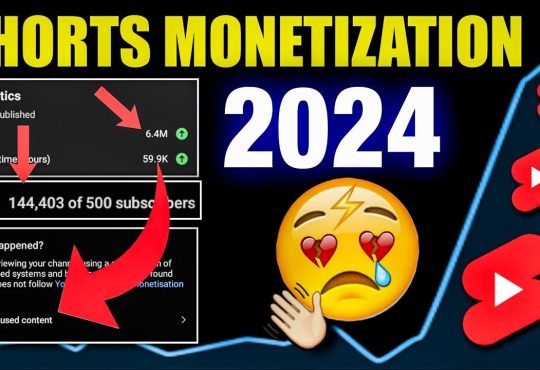
| YouTube (Shorts) | Click-through from suggested sidebar | Thumbnail-heavy, sensationalized narration with a “breaking news” banner. | Average View Duration |
Notice what is missing from the table? Journalism ethics. In this matrix, the platform’s algorithm is the primary audience. The celebrity is merely the input variable. The craft of the modern entertainment copywriter is to reverse-engineer these ranking signals, creating content that is deliberately incomplete or provocative to drive comments and corrections, which in turn feeds the algorithm more data.
The Death of the “Exclusive” and the Rise of the “Crisis Algorithm”
In the past, a journalist’s career was made by breaking an exclusive story. Now, exclusives are actively penalized. Why? Because a story that exists on one site only generates a single hop in the referral graph. A story that is syndicated across 50 outlets, each with a slightly different angle, creates a mesh network of linking and cross-referencing that dramatically boosts the collective domain authority. The algorithm doesn’t reward the truth; it rewards the propagation.
This has given birth to what I call the “Crisis Algorithm” in PR. When a negative story breaks, professional tech-savvy PR teams no longer issue a denial. Instead, they execute a keyword dilution strategy. They immediately seed other, lesser-known celebrity names with similar traits into the content stream. This confuses the recommender engine, which struggles to identify the single “hot” topic, lowering the velocity of the original negative story. It’s a form of adversarial attack on the very algorithms that spread the gossip.
Looking Forward: The Blockchain of Reputation
As deepfakes become indistinguishable, the next arms race is in cryptographic verification. We are seeing the early adoption of Content Credentials (C2PA)—a technical standard that embeds immutable metadata (hashing and digital signatures) into digital media at the point of capture. In the future, a truthful gossip article must link to a media asset with a verified signature; anything without it will be automatically flagged as “unverified synthetic” by the major platforms.
This will bifurcate the market. High-trust, high-cost gossip (like a verified tabloid deal with a star) will survive on verified provenance. Low-trust, mass-generated scandal will be relegated to the algorithmic shadows, constantly fighting against filters. The headline you see in 2026 will not just say “Celebrity Divorce!” It will say “Celebrity Divorce — Signed by verified camera ID.”
Final Technical Note
The glamour of red carpets is now a carbon-based UI for a silicon-based ads engine. As consumers, the best defense is to break our own loyalty to the validation loop. Don’t click the first headline; search for the source. Don’t watch the “leaked” video; check for the C2PA stamp. The algorithm will keep feeding you gossip as long as you keep showing it that you’re hungry. The only way to starve the machine is to change your own consumption metrics—and that, ironically, is the most revolutionary act of fandom left.