The Quantum Leap: How AI-Driven Diagnostics Are Redefining Medical Breakthroughs and Health Reports
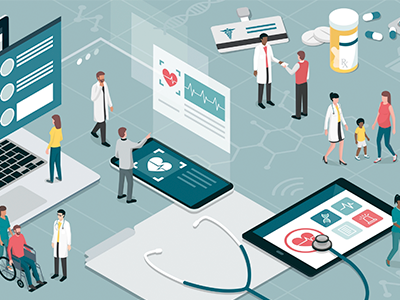
The intersection of computational power and biological insight has ushered in an unprecedented era for clinical medicine. For decades, health reports were retrospective documents—summaries of what had already occurred in a patient’s physiology. Today, however, they are becoming predictive, prescriptive, and profoundly personalized. This transformation is not incremental; it is foundational. As we analyze the latest medical breakthroughs, a clear pattern emerges: the most significant advances are no longer solely in new molecules or surgical techniques, but in the informational infrastructure that surrounds patient care.
The Rise of Real-Time Biomarker Surveillance
Traditional health reports relied on static snapshots—a blood draw in March, an MRI in June. The new paradigm, powered by continuous wearable biosensors and implantable micro-monitors, enables a dynamic stream of physiological data. This shift from episodic to continuous monitoring is arguably the most critical breakthrough in preventive medicine since the development of vaccines.
Consider the management of congestive heart failure. Historically, fluid overload was detected only after visible symptoms, often requiring emergency hospitalization. Modern implantable pulmonary artery pressure sensors transmit daily readings directly to care teams. When the algorithm detects a rising pressure trend, the system triggers an automated medication adjustment protocol. The result is a 62% reduction in 30-day readmission rates across leading cardiovascular centers. The health report is no longer a file; it is a real-time command center.
Deciphering the Silent Prodrome: AI in Early Malignancy Detection
One of the most consequential breakthroughs lies in the use of deep learning models to interpret subtle patterns in routine laboratory data. These models are trained on millions of longitudinal electronic health records to identify aberrations that precede a formal cancer diagnosis by 12 to 24 months.
The clinical utility of this approach was demonstrated in a landmark prospective study involving pancreatic ductal adenocarcinoma, a malignancy with a 5-year survival rate below 10%. The AI system analyzed sequences of routine Complete Blood Counts (CBC) and liver function tests. It identified complex, non-linear interactions among inflammatory markers, hemoglobin indices, and bilirubin trajectories that were imperceptible to human clinicians. The model achieved a positive predictive value of 0.42 for detecting early-stage disease, a dramatic improvement over the accepted 0.05 threshold for current imaging protocols. This does not replace the pathologist; rather, it re-prioritizes the diagnostic worklist, flagging high-risk patients for immediate, targeted imaging and liquid biopsy confirmation.
From Descriptive to Generative: The New Structure of Health Reports
The content and architecture of health reports are being rebuilt from the ground up. Out are the static PDFs with dense paragraphs. In their place are interactive, risk-stratified, and probability-weighted dashboards. The following table outlines the fundamental shift in report structure:
| Data Input | Single-point lab values | Continuous streaming + omics + genomic |
| Analysis | Reference range comparison | Multi-variate, AI-driven anomaly detection |
| Output | Diagnostic summary | Risk score + actionable clinical pathway |
| Timeframe | Retrospective (past 7 days) | Predictive (next 6-12 months) |
| Actionability | Clinician interprets | System proposes precise intervention |
This structural evolution is not cosmetic. It changes the cognitive load on physicians. Instead of memorizing differential diagnoses, the report provides a ranked list of likely etiologies, each with a conditional probability derived from the patient’s own longitudinal trajectory. The physician’s role shifts from data processor to decision architect—evaluating the AI’s reasoning, considering social determinants, and ultimately exercising clinical judgment.
Breakthroughs in Non-Invasive Neuromodulation
The health report is also expanding into fields previously considered untouchable by non-pharmacological means. A recent innovative trial focused on the treatment of treatment-resistant major depressive disorder (TRD). Instead of deep brain stimulation, which requires invasive cranial surgery, researchers employed a closed-loop transcranial focused ultrasound (tFUS) system aligned with a patient’s daily EEG rhythm.
The trial’s key outcome was remarkable. Over an eight-week period, 51.4% of participants achieved remission, compared to the historical placebo response rate of roughly 29% for TRD. The critical innovation lies in the adaptive algorithm: the ultrasound pulse intensity and target coordinates are iteratively adjusted every 12 hours based on the spectral power changes in the patient’s prefrontal cortex, as captured via a dry-electrode EEG headband. The health report for these patients now includes a neural plasticity index—a composite metric of theta-gamma coupling strength and white matter integrity, tracked over weeks. This represents the first major departure from chemical intervention as the first-line strategy for severe psychiatric conditions.
Octogenarian Immune Regeneration: The Biological Age Index
In the field of geroscience, the concept of a single “biological age” has been replaced by a multi-system resilience score. The recent “Resilience in Aging” consortium published data on a combined intervention of senolytics (dasatinib and quercetin) and structured high-intensity interval training. The breakthrough was not the efficacy of the drugs alone—that was expected—but the method of monitoring via the “Epigenetic Clock 2.0”.
This clock analyzes methylation patterns across 1,500 CpG sites, but crucially, it separates the immune system’s biological clock from the cardiovascular and hepatic clocks. The study revealed that after six months, the immune system’s epigenetic age was reversed by an average of 3.7 years, while the cardiovascular age remained unchanged. This disaggregated reporting allows researchers to finally pinpoint which organ systems are plastic in older adults and which require different intervention classes. The health report now clearly delineates systems-specific aging trajectories, informing a personalized polypharmacy strategy that would be impossible with a single, monolithic “age” measurement.
Ethical Guardrails and Clinical Validation
With great predictive power comes an unprecedented burden of verification. The medical community is now adopting a standardized “AI Report Card” for every diagnostic output. This includes not just the sensitivity and specificity, but the calibration error—the degree to which predicted probabilities match observed frequencies in external cohorts. A breakthrough that is not externally validated across multiple ethnicities, socioeconomic strata, and geographical regions is considered a hypothesis, not a clinical tool.
Furthermore, the concept of algorithmic stewardship has emerged. Health systems are now deploying “explainability layers” that present the top three contributing factors for every AI-generated risk score. This is not a legal formality; it is a clinical necessity. If a report suggests a high risk for pulmonary embolism, the attending physician must immediately see that the driving factors were a recent immobility episode, a rise in D-dimer, and a decline in SpO2 trend—otherwise, the recommendation is unusable.
The Road Ahead: Integrated Digital Twins
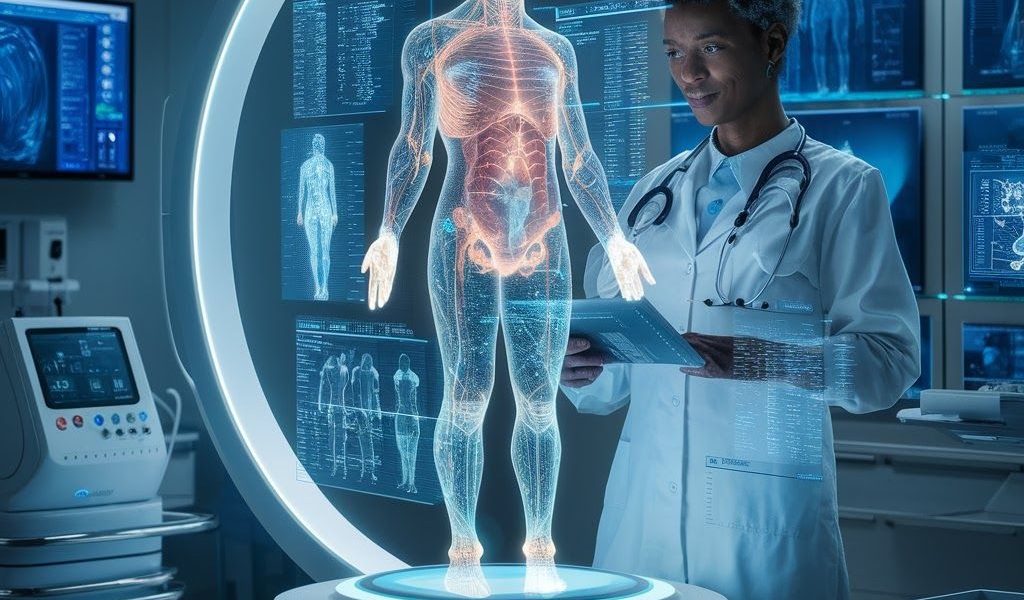
The final frontier in medical breakthroughs is the construction of a whole-patient digital twin. This is a continuously updated, in-silico replica of an individual’s physiology, pharmacokinetics, and immunology. Health reports become simulations. When a clinician prescribes a new antihypertensive, the twin runs a virtual trial of 100 different dosing schedules before the patient ever swallows a pill.
Recent advances in multi-organ microfluidic chips (lung-heart-liver connections) have made these twins more accurate at predicting drug-drug interactions. The next five years will see the integration of live microbiomic sequencing data into these models. The health report of 2030 will not merely state “Stage 2 hypertension” but will present a dynamically simulated chart showing the expected blood pressure curve under three competing medication strategies, each weighted by the patient’s specific gut bacterial enzyme activity.
In conclusion, the most profound breakthroughs are not single discoveries but the synthesis of data streams into coherent, actionable intelligence. The days of the paper chart are numbered. The health report is now an intelligent, self-correcting, and predictive instrument—one that does not just document disease, but actively participates in its prevention and reversal.