The Intersection of Technology and Holistic Well-Being
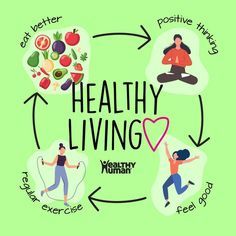
In an era where digital saturation is the default state, the pursuit of beauty, wellness, and lifestyle has undergone a radical transformation. The modern consumer no longer separates their physical health from their digital footprint. Instead, we are witnessing a convergence: wearable biometrics, AI-driven skincare, and cognitive optimization platforms are not just novelties—they are essential tools for the discerning individual. This guide explores how to leverage technology without sacrificing the human touch, offering a data-informed yet soulful approach to living well.
Beauty: The Biometric Skincare Revolution
Gone are the days of guesswork in your morning routine. The new paradigm is precision dermatology, powered by machine learning and high-resolution spectral imaging. Smart mirrors and handheld scanners now analyze hydration levels, pore density, and UV damage in real time, providing a granular snapshot of your dermal health that exceeds what the naked eye—or even a standard dermatoscope—can perceive.
The key shift is from reactive treatments to proactive maintenance. Instead of purchasing products based on marketing claims, you now purchase based on molecular analysis. For example, AI-driven formulation engines can cross-reference your skin microbiome data with environmental pollen counts and humidity forecasts to recommend a serum that changes with the weather. This is not about more products; it is about fewer, more effective ones.
Key Technologies to Consider
- Spectrophotometric Scanners: Devices like the foreo or specialized handheld probes that use LED and infrared light to measure pigmentation and elasticity.
- Smart Dispensers: RFID-enabled containers that log your usage patterns and sync with an app to prevent overuse or product degradation.
- CRISPR-based Skin Testing: Advanced at-home kits that analyze genetic markers for collagen breakdown and antioxidant response, available through direct-to-consumer lab partnerships.
However, a word of caution is warranted. The efficacy of these tools hinges on the quality of their data models. Always cross-reference device readings with periodic professional consultations. Technology should augment, not replace, the trained eye of a licensed aesthetician.
Wellness: Data-Driven Recovery and Mental Clarity
The most profound technological advancement in wellness is not the ability to *do* more, but to *recover* more intelligently. Wearable sensors that track heart rate variability (HRV), galvanic skin response, and sleep architecture are now accurate enough to predict cortisol spikes before you feel them. This transforms recovery from a passive activity into an active practice.
For the professional who juggles multiple priorities, the focus is on neurofeedback and cognitive load management. EEG headbands that provide real-time delta and theta wave monitoring allow you to optimize meditation sessions for maximal parasympathetic activation. The data is not just for viewing; it is for bio-feedback. When the system detects a wandering mind, it subtly shifts binaural tones to guide you back to a centered state.
A Practical Tech Stack for Daily Resilience
This approach turns wellness from a vague aspiration into a measurable, iterative process. The goal is not perfection but adaptive optimization. By tracking deviations, you can identify root causes—whether that is a stressful meeting schedule or a hidden food sensitivity—and address them systematically.
Lifestyle: Digital Minimalism with Smart Automation
A sophisticated lifestyle is not defined by the number of connected devices in your home, but by the elegance of your automation scripts. The truly high-tech lifestyle is one where technology recedes into the background. This is achieved through context-aware automation, which uses location data, calendar inputs, and biometric signals to preemptively adjust your environment.
Consider the “evening wind-down” protocol. When your smart home detects that your wearables indicate a drop in core body temperature and your calendar shows no appointments for the next 12 hours, it can: dim the lights to 1800K color temperature, set the thermostat to 18°C, and activate a white noise generator tuned to match your sleep apnea risk profile. This requires no voice command, no app interaction—it simply happens.
Furthermore, the integration of AI-driven nutrition planning with grocery delivery services has streamlined meal prep. Instead of choosing recipes, you select dietary parameters (e.g., lower histamine, higher omega-3). The AI generates a week of menus, orders the precise ingredients, and sends the recipes directly to your smart oven, which adjusts cooking times based on real-time weight and humidity sensors.
Comparative Evaluation of Lifestyle Platforms
| All-in-One App Ecosystem (e.g., Apple Health + HomeKit) | Unified data aggregation | Seamless integration across devices | Vendor lock-in, generic recommendations |
| Specialized Wellness Wearable (e.g., Whoop, Oura) | Recovery and strain tracking | High sensor accuracy for HRV | Subscription cost, limited lifestyle automation |
| Open-Source Home Server (e.g., Home Assistant) | Custom automation logic | Full privacy and infinite customization | Steep learning curve, manual maintenance |
The critical principle is interoperability. A fragmented tech stack—one app for sleep, another for diet, another for home lighting—creates cognitive overhead. The goal is to reduce decision fatigue, not increase it. Therefore, invest in hardware that supports Matter or similar open standards. This ensures your wellness insights can trigger real-world actions without manual intervention.
Ethical Considerations and Guardrails
Finally, the most important aspect of this technological integration is data sovereignty. Your biometric data is, arguably, the most intimate personal information you own. As you adopt these systems, ensure that devices store data locally where possible, or offer end-to-end encryption. Read the privacy policies not for legal compliance but for extraction practices. Do not use any platform that monetizes your sleep patterns or skin scans to third-party insurance agencies or advertisers.
Moreover, be wary of the quantified self paradox: the more you measure, the more anxious you may become about the numbers. Set health metrics as a guide, not a verdict. If a tracker creates distress rather than insight, take a digital sabbath. The ultimate aim of technology in beauty, wellness, and lifestyle is to provide a structured framework that liberates you to experience life with greater presence, energy, and authenticity. Use the tools, but never forget that they serve, not define, your highest well-being.